
Experiencing life through the lens
An honest look at my struggles with dissociation, and how photography has pushed me to experience things I normally would not.
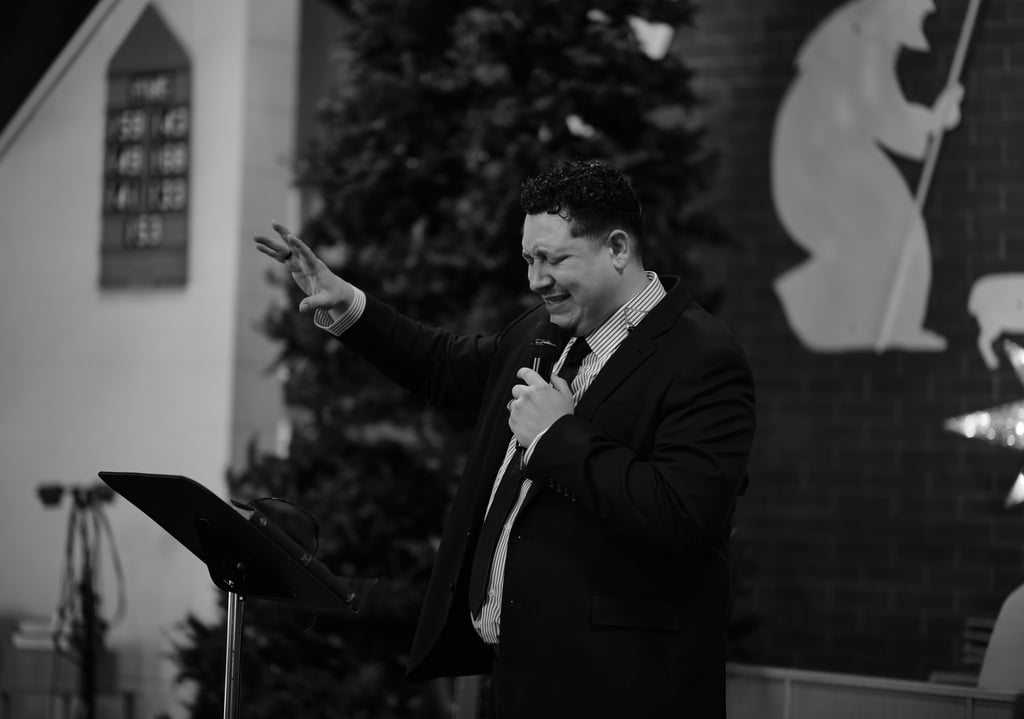
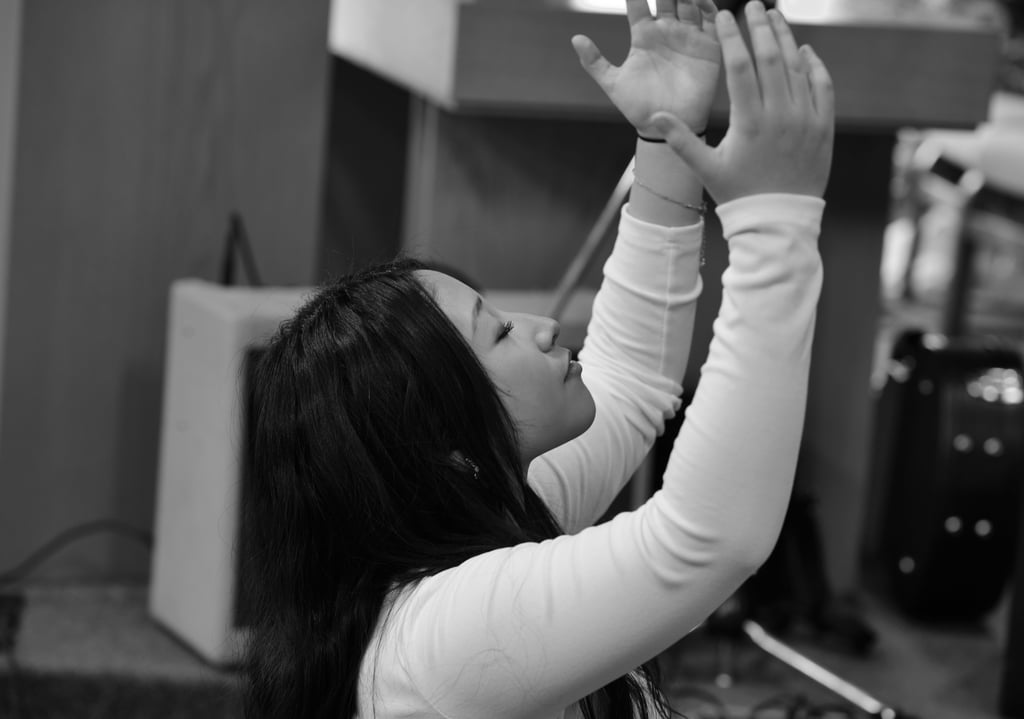
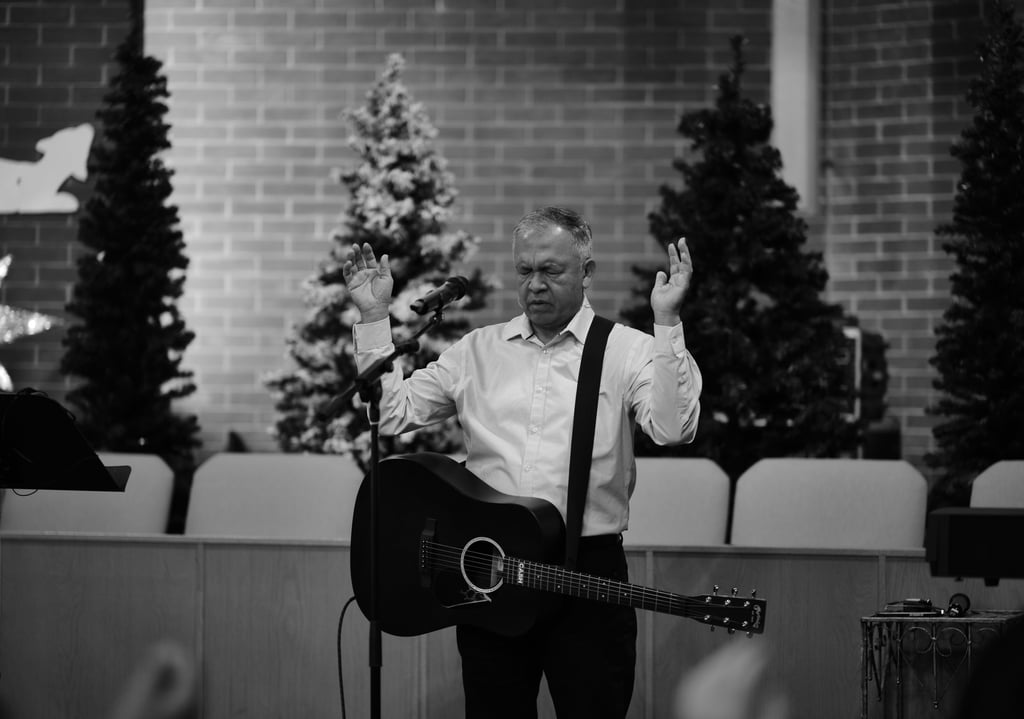
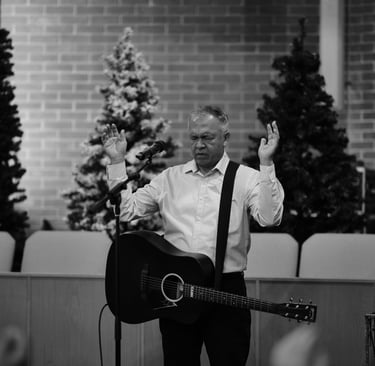
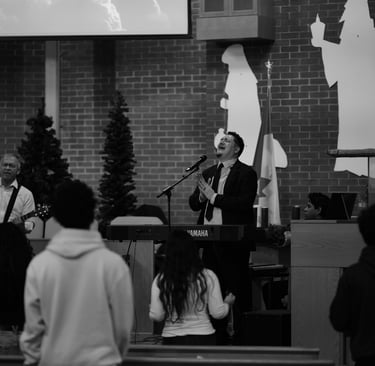
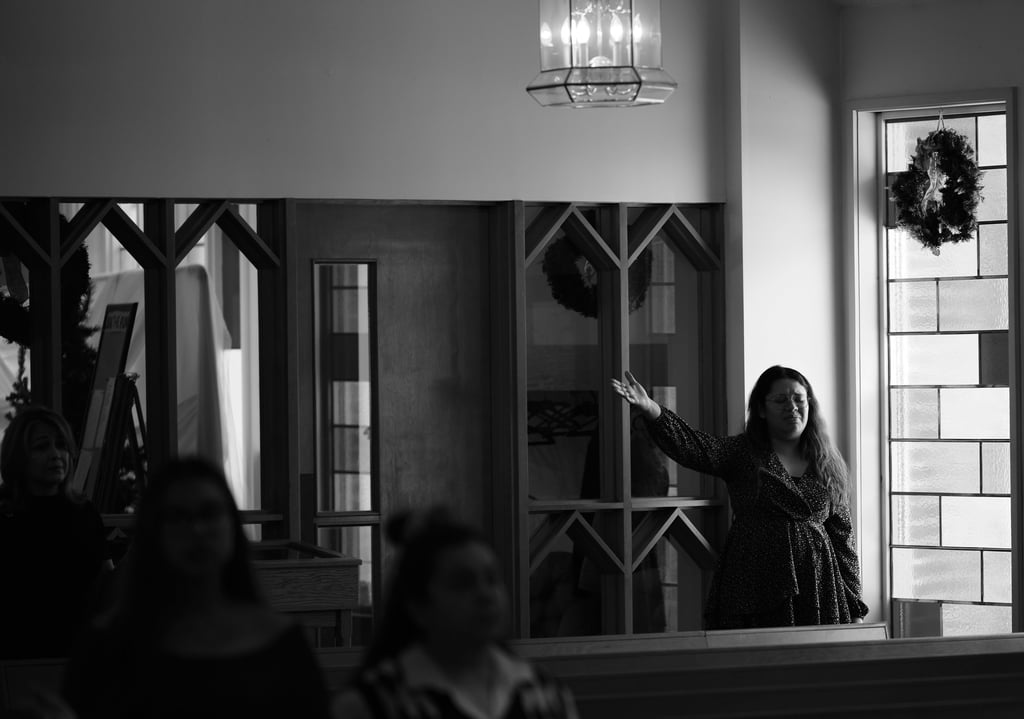
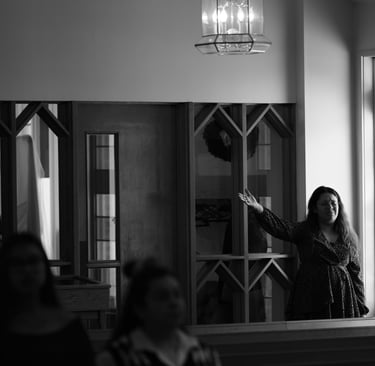
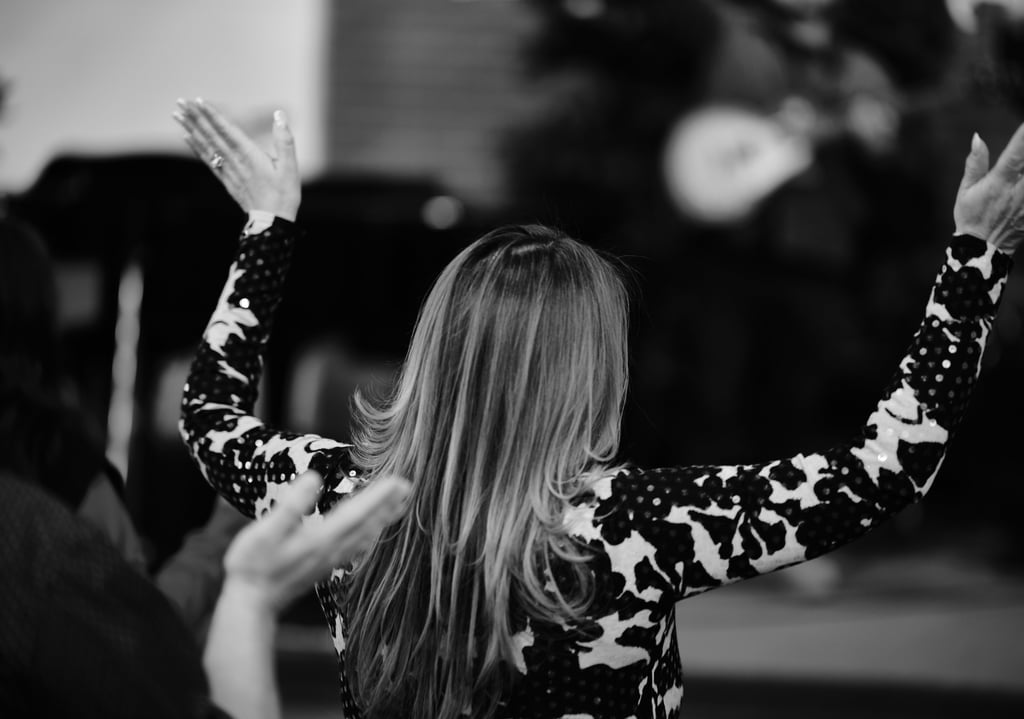
I recently did a photoshoot at a good friend's church. Like any opportunity to document humans experiencing faith, I loved the experience. What was particularly interesting about this shoot was that I did not speak the language of the congregation. I could see and assume what was going on, but had no way to confirm those assumptions. This led the shoot to be both visually engaging and deeply emotional, but those experiences were not rooted in knowledge or truth (you can have no truth without knowledge). At the end of the service, the pastor (my friend), asked me a question, “I know you did not understand anything, but did you feel it?” The short answer was “yes, I felt it”. What follows is the explanation of how photography has given me a way to feel, where life and knowledge could not.
When I was a kid, I looked forward to certain anticipated moments to get me through the day. No matter how much the school day sucked, I knew a Batman cartoon was waiting for me at home. When my parents would fight, I knew I had a great book on a cliffhanger waiting for me. My ability to daydream through some challenging times was virtually unmatched. Later in life, I learned this was called “dissociation”, and although useful to get through tough times, it was ultimately unhealthy.
Baker’s Encyclopedia of Psychology and Counselling (BEPC) describes dissociation as follows: “Dissociation occurs when there is a disruption in the normal integrative functions of consciousness, which may include behavior, affect, sensation, and knowledge.” What this meant is that while being aware of something, I could push it back, just far enough that I could get through the moment. The aware, but not aware, suppression is known as a “vertical split.” As the BEPC goes on to explain, “In pathological dissociation, psychic material is pushed out of the ego’s awareness to the side or back of the mind. The material is not, however, unconscious. It is merely a dissociated ego, which may be rational, organized, and coherent in its own right. This phenomenon has been described as a vertical split.”
So how does all this relate to photography? Photography actually serves as a barrier between witnessing/observing an event and truly living through it. When holding my camera, I am on a mission, no matter what happens, the job is to document humanity's experience of a fleeting moment, as Henri Cartier-Bresson would say, the decisive moment. passive observer experience has allowed me to see the world as it is. Messy, silly, beautiful, tragic, filled with both love and anger. There can be no dissociation with photography, as the camera does not lie. Photography gives me a way to explore emotions and connections that I cannot bring myself to do otherwise.
What photography has ultimately given me is a reality check on life. I can see and feel, without the desire to turn away. I have to ask myself, what if I put the camera down, and stepped into the scene, what if that reality that I was so inspired to photograph, could be my reality to fully experience? If when holding a camera, I can look at the parts of life that would be easier to ignore, what is stopping me from looking at life the same way without the camera?
For now, I will stay behind the lens, at times, putting words to thoughts. With that said, I am challenged to step into the scene and document myself being a part of the world, but all good things in their time.

Contact
Reach out to share your story or ask questions
Email: kellybutler@kellybutlerphotography.com
Phone: 519-801-9009
© 2025. All rights reserved.